Common Problems With Aging Concrete Retaining Walls
To address common problems with aging concrete retaining walls, local contractors can assess issues like cracking and shifting and provide expert repair solutions.
Aging concrete retaining walls are a common feature in many properties, especially in areas with hilly terrain or landscaped yards. Over time, these structures can develop a variety of issues that compromise their stability and appearance. Property owners who notice cracks, leaning, or water seepage often wonder whether repairs are necessary or if replacement is the best option. Understanding the typical problems that arise with aging concrete retaining walls can help homeowners make informed decisions and maintain the safety and functionality of their outdoor spaces.
Local contractors who specialize in concrete retaining wall repair are equipped to address these common concerns effectively. Whether it’s restoring structural integrity, fixing cracks, or managing drainage issues, experienced service providers can evaluate the condition of a wall and recommend practical solutions. Exploring these common problems with aging concrete retaining walls can highlight the importance of timely repairs, ensuring that property owners can protect their investments and enjoy a well-maintained landscape. Keep reading to learn more about what to watch for and how local experts can help keep retaining walls in top shape.
- Concrete retaining walls repair services are often needed when cracking or shifting occurs due to soil pressure and aging. Local contractors can assess the damage and provide stabilization or reinforcement solutions to prevent further deterioration. When signs of bowing or leaning appear, service providers can perform structural repairs to restore integrity. For walls showing signs of water damage or erosion, professionals can address drainage issues and repair compromised sections. Aging concrete retaining walls that exhibit crumbling or spalling may require patching or complete replacement by experienced local specialists.
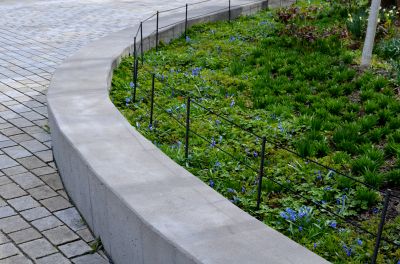
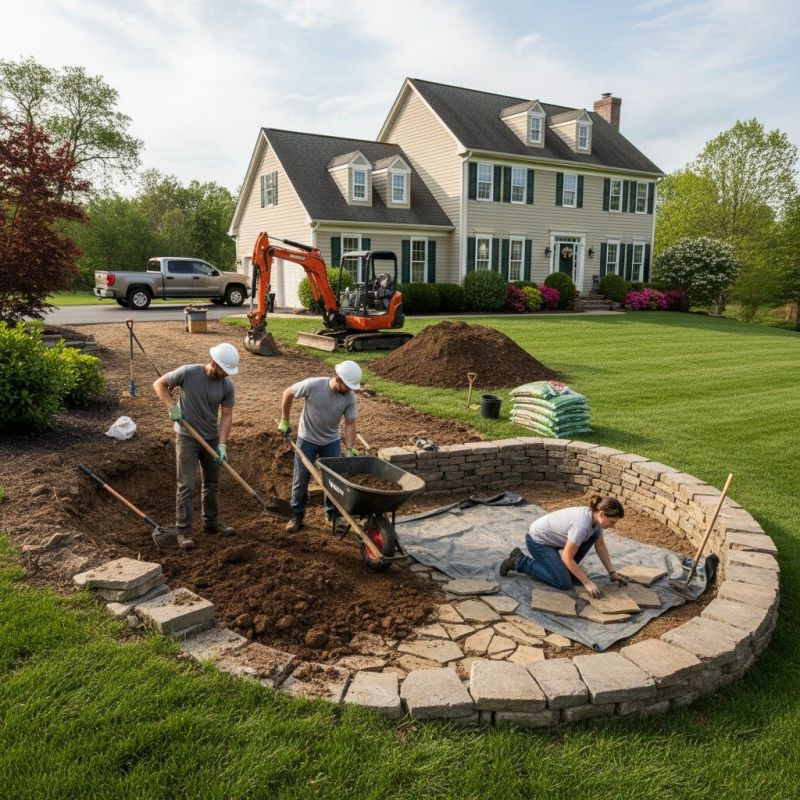
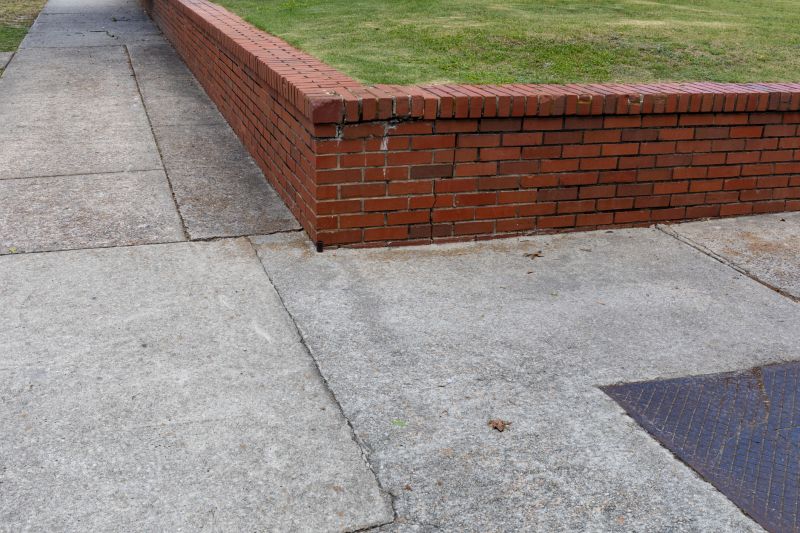
When homeowners search for information about common problems with aging concrete retaining walls, they are often trying to understand why their existing walls may be showing signs of deterioration or failure. These issues typically relate to structural stability, appearance, and safety concerns that arise over time. Many property owners notice cracks, leaning, or bulging sections, which can indicate underlying problems that need attention. Recognizing these signs early can help prevent more extensive damage or potential property hazards, making it important to understand what issues are typical as concrete retaining walls age.
The problems associated with aging concrete retaining walls usually stem from natural wear and environmental factors. Over the years, concrete can develop cracks due to settling, shifting soils, or temperature fluctuations. Water intrusion through cracks or porous surfaces can weaken the structure further, leading to spalling or crumbling sections. In some cases, the reinforcement within the concrete can corrode, especially if moisture is allowed to penetrate, causing internal damage that compromises the wall’s integrity. When homeowners search for this topic, they are often looking for solutions to repair or reinforce these issues, or for advice on how to prevent future problems.
Certain types of properties tend to be more prone to issues with aging concrete retaining walls. These often include hillside or sloped lots where retaining walls are essential for managing soil stability. Commercial properties with large-scale retaining structures, as well as residential yards with decorative or boundary walls, can experience similar problems over time. Factors such as soil composition, drainage conditions, and local climate influence how quickly and severely these walls deteriorate. Property owners in areas with heavy rainfall or freeze-thaw cycles may notice more frequent or severe issues, prompting them to seek out experienced service providers who specialize in concrete retaining wall repair.
Understanding common problems with aging concrete retaining walls helps property owners connect their observations to practical solutions offered by local contractors. These professionals can assess the condition of existing walls, identify underlying causes of damage, and recommend appropriate repairs or reinforcements. Whether it involves patching cracks, replacing deteriorated sections, or installing drainage improvements, local service providers play a key role in restoring safety and stability. Recognizing the typical signs of aging and knowing when to seek expert help can make a significant difference in maintaining the longevity and appearance of these essential structures.
Retaining wall reconstruction - this project involves rebuilding or replacing aging structures, requiring similar planning and masonry skills used in repairing concrete retaining walls.
Foundation stabilization services - stabilizing or underpinning foundations shares techniques with addressing issues like settling and shifting in concrete retaining walls.
Drainage system installation - proper drainage is essential for retaining wall longevity, making this a related service that prevents common problems associated with aging walls.
Landscape retaining wall construction - building new or restoring existing landscape walls involves similar planning and structural considerations as repairing aging concrete walls.
Crack repair and sealing - addressing cracks in concrete structures is a common task that overlaps with fixing issues caused by aging and weathering in retaining walls.
Soil erosion control projects - controlling soil movement around structures requires understanding of soil stability, which is crucial for maintaining concrete retaining walls over time.
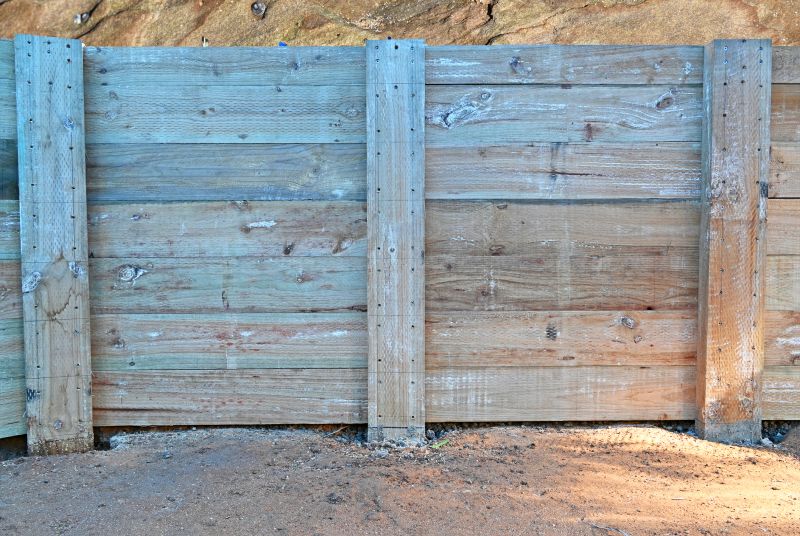
When evaluating service providers for concrete retaining walls repair, it is important to consider their experience with similar projects. Homeowners should seek out local contractors who have a proven track record of addressing common problems with aging concrete retaining walls, such as cracking, bowing, or deterioration. An experienced professional will understand the specific challenges that arise with older retaining walls and be able to recommend effective solutions based on their past work. This familiarity can help ensure that repairs are durable and appropriately tailored to the condition of the existing structure.
Clear, written expectations are vital when comparing local contractors. Homeowners should look for providers who can clearly outline the scope of work, the steps involved in the repair process, and any materials or methods that will be used. Having detailed documentation helps prevent misunderstandings and ensures that both parties are aligned on the project’s goals. It also provides a basis for evaluating proposals and comparing the professionalism of different service providers, making it easier to select a contractor who communicates transparently and thoroughly.
Reputable references and good communication are essential factors to consider during the selection process. Homeowners are encouraged to ask for references from previous clients who had similar repairs performed. This can provide insight into the contractor’s reliability, quality of work, and how they handle issues that may arise. Additionally, service providers who maintain open, responsive communication and are willing to answer questions can help homeowners feel more confident throughout the repair process. Choosing local contractors known for their professionalism and clarity can lead to a smoother experience and a more satisfactory outcome for addressing common problems with aging concrete retaining walls.
Property owners often search for common problems with aging concrete retaining walls when they are planning practical projects around their homes and businesses. Local pros provide Concrete Retaining Walls Repair services for everyday jobs and straightforward project options.
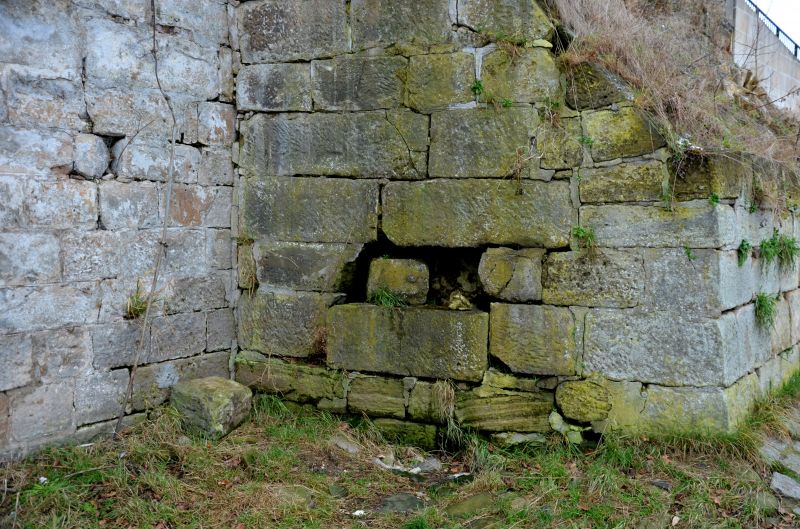
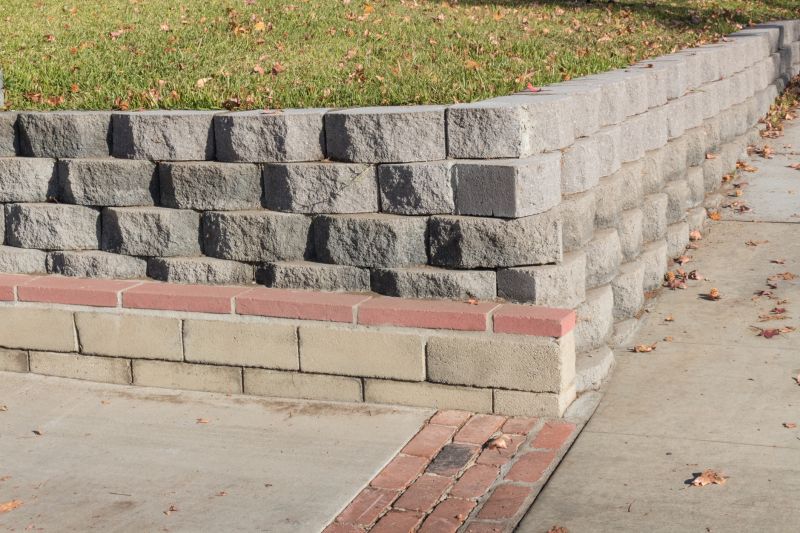
Aging concrete retaining walls often develop common issues that property owners in the area notice over time. Cracks are a frequent concern, which can occur due to shifting soil, temperature changes, or settlement. These cracks not only affect the appearance but can also compromise the wall’s stability if left unaddressed. Additionally, signs of erosion or water pooling around the base may indicate drainage problems, leading to further deterioration. Property owners might seek out local contractors who specialize in retaining wall repair to assess these issues and determine the best solutions to restore safety and functionality.
Other typical problems with aging concrete retaining walls include bulging or leaning sections, which can signal structural weaknesses. Over the years, the pressure from soil and water can cause parts of the wall to shift or bow outward, creating a hazard. Efflorescence, or white salt deposits on the surface, is also common and often points to moisture infiltration. When these issues arise, property owners often look for experienced local service providers who can evaluate the damage and carry out necessary repairs to reinforce the wall and prevent further problems.
What are common signs of deterioration in aging concrete retaining walls? Signs include cracking, bulging, leaning, or separation at joints, which indicate structural issues that local contractors can assess and repair.
Why does concrete in retaining walls crack over time? Cracks often result from soil pressure, freeze-thaw cycles, or settlement, and experienced service providers can identify the cause and recommend appropriate repairs.
How can water damage affect aging concrete retaining walls? Water infiltration can lead to erosion, weakening of the concrete, and internal corrosion, which local repair specialists can address through proper sealing and reinforcement.
What causes the soil behind retaining walls to shift or settle? Soil movement can be caused by erosion, poor drainage, or changes in moisture levels, and local contractors can implement solutions to stabilize the structure.
When is reinforcement or rebuilding necessary for an aging concrete retaining wall? Structural compromise, extensive cracking, or leaning are indicators that repair or rebuilding by experienced service providers may be needed to restore stability.
Addressing cracking issues - property owners can work with local contractors to assess and repair cracks in aging concrete retaining walls, preventing further damage.
Reinforcing weakened structures - local service providers can add supports or reinforcements to stabilize walls that show signs of shifting or leaning.
Managing drainage problems - professionals can install or improve drainage systems to reduce water pressure that contributes to wall deterioration.
Replacing severely damaged sections - property owners might consider having damaged portions of the wall replaced to restore stability and prevent collapse.
If you are thinking about common problems with aging concrete retaining walls for a property, this guide is meant to help you understand this topic, the typical project types, and how different options might fit your plans.
When you are ready, you can use the quote form on this page to share a few details about your project. From there, local pros can review the basics and follow up with options that match what you have in mind.